
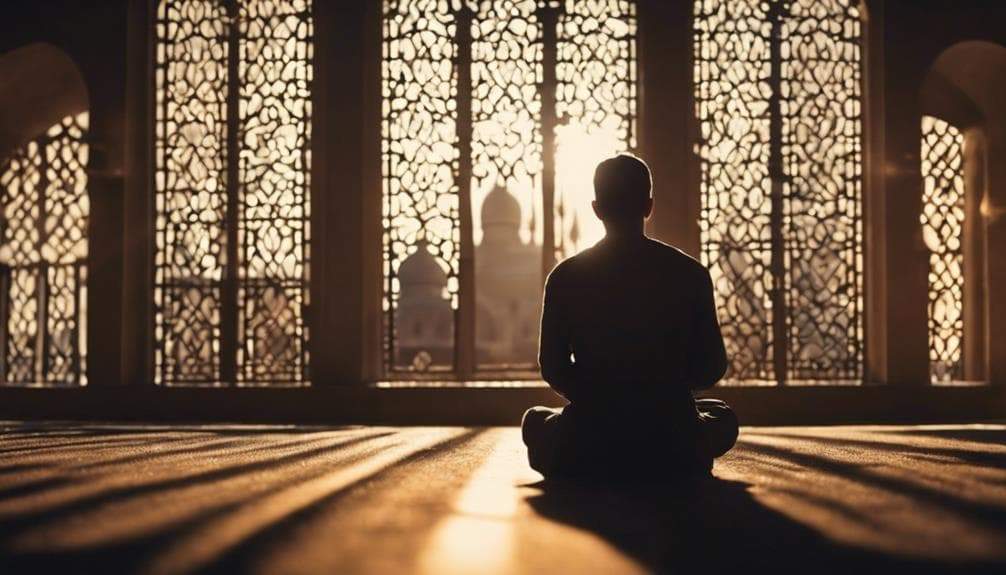
Feeling distant from Allah even when you pray is a confusing and often painful experience for many Muslims. You may find yourself standing in prayer, performing every movement and recitation correctly, yet your heart feels strangely detached from the Divine presence. This sense of emotional distance often leads to a troubling question: “Why do I feel distant from Allah even when I perform my daily prayers?”
It is vital to understand that this experience is not uncommon and doesn’t necessarily mean a loss of faith. Scholars have long described Khushu (humble attentiveness) as the soul and essence of prayer. Just as a body cannot function without a soul, prayer without heart-presence can feel like a series of mechanical movements. However, the fact that you are concerned about this distance is a sign of a living, aware heart that sincerely longs for closeness to its Creator.
In this guide, we will explore the hidden reasons behind feeling distant from Allah, distinguish between natural spiritual fluctuations and hypocrisy, and provide practical, Sunnah-based steps to revive the spiritual essence of your Salah.
What Does Feeling Distant from Allah Actually Mean?
Many Muslims faithfully observe their five daily prayers, yet a heavy question often lingers: “Why do I feel distant from Allah when I pray?” This experience can be deeply unsettling, leading some to fear that their faith is weakening or that their heart carries traces of hypocrisy. You might find your body in a state of humble submission, while your heart feels miles away from the Divine.
However, scholars explain that feeling distant from Allah is often linked to the concept of Khushūʿ (humble attentiveness). They distinguish between true humility that originates in the heart and what the Companions called “the humility of hypocrisy.” Ḥudhayfah (may Allah be pleased with him) once cautioned: “Beware of the humility of hypocrisy.” When asked for clarification, he explained it as a state where “you see the body humble while the heart is not.”
The Spirit and Essence of Prayer
Islamic scholars describe Khushūʿ as the “spirit” of the prayer. If Salah is like a body, then Khushūʿ is the soul that gives it life. Just as a physical body needs food to survive, the human soul requires this focused presence to thrive. The Prophet ﷺ beautifully described prayer as “the comfort of his eyes and the delight of his heart,” because of the sweetness found in conversing with the Creator.

It is important to normalize this struggle. In fact, some narrations suggest that Khushūʿ would be the first form of knowledge to disappear among people, to the extent that one might enter a mosque and struggle to find a single person truly humbled in prayer. Understanding that feeling distant from Allah is a common human experience allows you to stop judging yourself harshly and instead focus on the journey of moving from a mechanical routine to a genuine moment of peace.
Hidden Reasons Why You Are Feeling Distant from Allah
Many worshippers feel distant from Allah during prayer, even when they perform it regularly. It is crucial to remember that this sensation usually stems from natural mental, emotional, or habitual factors rather than a lack of devotion. Understanding these root causes can help you calm your heart and return to a state of genuine presence with your Creator without self-criticism.

1. Mental Distraction and the Wandering Mind
A primary reason for feeling distant from Allah is a wandering mind preoccupied with the anxieties of daily life. Whether it is work, family problems, or planning for the future, these thoughts often intrude upon our Salah. This is a natural function of the human mind, but recognizing these distractions gently and refocusing on the prayer helps the heart re-engage more deeply.
2. Emotional Fatigue and Spiritual Burnout
Your heart may feel distant from Allah due to sheer emotional exhaustion or chronic stress. When the mind is overwhelmed, acts of worship can feel less impactful or “muted”. This is a normal human response; with patience and consistent practice, prayer can eventually shift from a burden to a source of immense spiritual relief and comfort.

3. Falling into Routine Without Reflection
Performing prayer as a mere physical routine—without contemplating its profound meaning—can make the experience feel like a “body without a soul”. When you operate on “spiritual autopilot,” your heart remains disengaged while your body moves. To revive your Khushu, try focusing on a single new verse or the specific meaning of a supplication to help your heart participate fully.
4. Unrealistic Expectations About Khushūʿ
Many believers feel distant from Allah because they believe Khushu must always be an intense, tearful emotional state. In reality, true Khushu is simply the heart’s humble attentiveness to God, and it naturally fluctuates. Even subtle moments of focus count when the heart turns sincerely toward Him. Consistent practice is the key to gradual improvement.
5. The Role of Sins and Preparation
Beyond mental factors, scholars emphasize that persistent sins can act as a barrier between the heart and the light of Allah. Furthermore, Khushu in prayer often begins with Khushu in Wudu (ablution). Preparing your heart with a mindful Wudu and walking to your prayer with dignity sets the stage for a deeper connection.
If you find yourself struggling with these feelings, you might also find comfort in our article: Why Do I Feel Spiritually Drained Even When Life Is Fine?
Is Feeling Distant from Allah a Sign of Hypocrisy?
One of the most distressing fears a believer can face is asking: “Is feeling distant from Allah during my prayer a sign of hypocrisy (Nifaq)?” It is essential to clarify that experiencing emotional detachment or a lack of focus does not necessarily indicate a lack of sincerity.
True hypocrisy, as the Companions of the Prophet ﷺ warned, is an intentional outward show of humility that masks an inner rejection of faith. This is what they referred to as “the humility of hypocrisy.” Ḥudhayfah (may Allah be pleased with him) once cautioned: “Beware of the humility of hypocrisy.” When he was asked to explain it, he said: “It is when the body appears humble while the heart is not.” Unlike an intentional pretender, a sincere believer feels pained by their lack of focus, which is actually a sign of living faith.
Emotions are Not the Sole Measure of Faith
Temporary emotional weakness is a natural part of the human experience, especially during periods of high stress, physical fatigue, or when prayer has become a mechanical routine. These fluctuations do not weaken your Iman (faith) as long as your intention remains directed toward Allah. True Khushu is a state that is nurtured over time; it is about the consistent effort to show up for Allah, regardless of how you “feel” in the moment.
To provide further comfort, consider the report from Abu Darda (may Allah be pleased with him), where the Prophet ﷺ said: “The first thing to be lifted from people is khushūʿ.” This indicates that feeling distant from Allah and struggling with heart-presence is a widespread challenge that was acknowledged centuries ago. Allah values your struggle, your sincere intention, and your persistence in worship even when the emotional “highs” are absent.
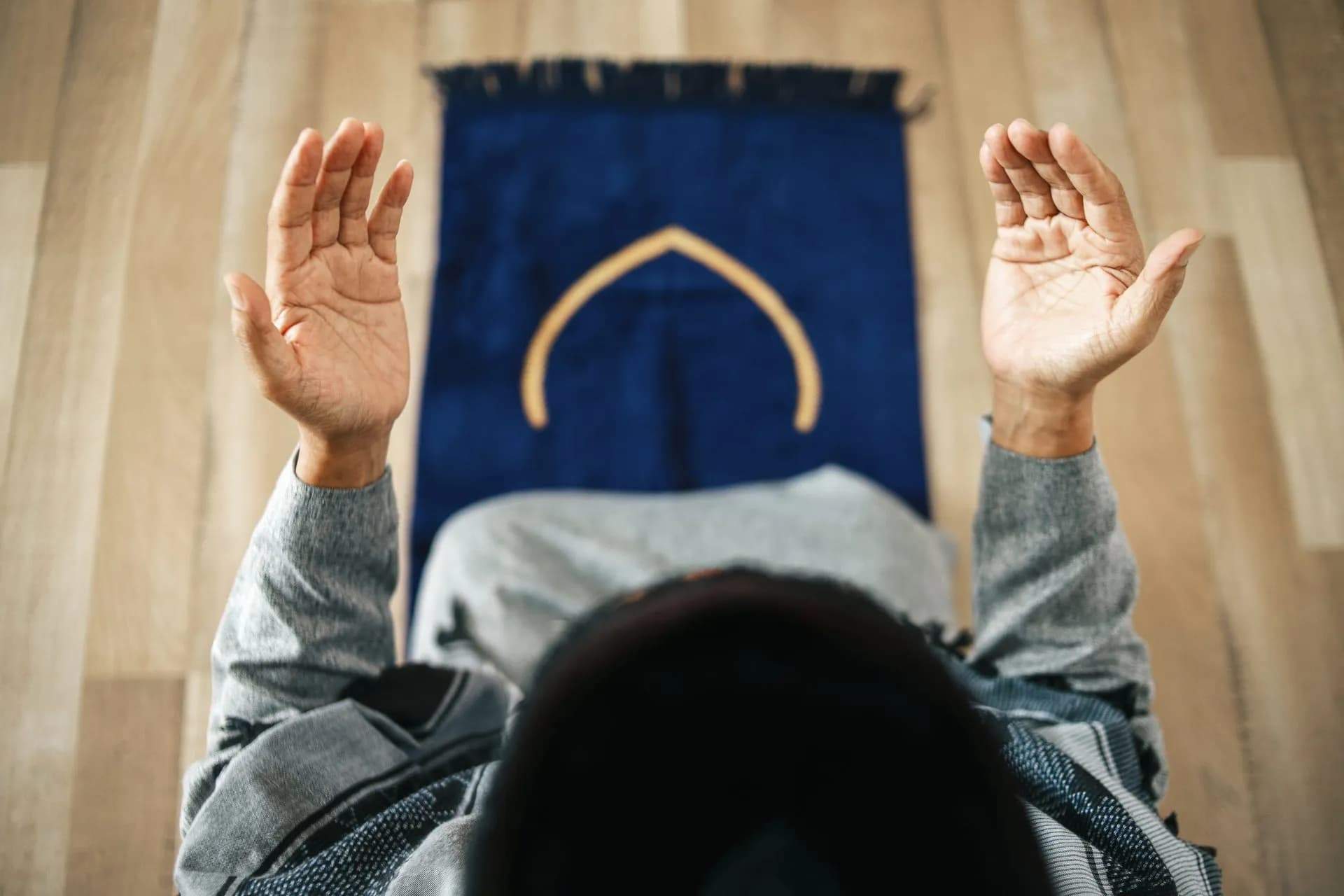
How to Rebuild Your Connection in Salah
Reconnecting your heart during prayer is a journey that starts with small, intentional changes. If you are feeling distant from Allah, you can begin to bridge that gap with these four simple and practical steps, designed to transform your Salah from a routine into a spiritual sanctuary:
1. Set Your Intention (Niyyah) Before You Begin
Before saying the first Takbir, take a moment to direct your heart entirely toward your Creator. Remind yourself that the goal of this prayer is to seek His pleasure and closeness, not just to finish a physical task. Even if you are currently feeling distant from Allah, silently affirm: “I am standing here for You, O Allah; I turn my heart back to You.” This conscious start helps anchor your soul.
2. Focus on Breathing and Deliberate Movement
During the standing, bowing, and prostration (Sajdah), pay close attention to the alignment of your body with your supplication. Slowing down your movements and observing your breathing can help calm a racing mind. This physical mindfulness is a powerful tool to overcome the sense of feeling distant from Allah by bringing your focus back to the present moment of worship.
3. Reflect on the Meanings of the Words and Qur’an
Try not to just recite words by rote memory. Instead, strive to understand and internalize the meaning of what you are saying. Contemplating even a single verse from Al-Fatihah can help your heart become more present. When you understand the conversation you are having with Allah, the feeling of being distant begins to dissolve, replaced by a sense of intimate connection.
4. Accept Fluctuating Feelings with Patience
If you still feel a lack of intense emotion, do not judge yourself or feel defeated. Feeling distant from Allah is a natural fluctuation of the human heart. Continue your practice with sincerity, knowing that Allah values your consistent effort and intention more than fleeting emotional “highs.” Trust that with patience, the sweetness of prayer will gradually return.
Watch this helpful guide on gaining Khushu in prayer:
Powerful Duas to Recite When Feeling Distant from Allah
As part of our mission at Divine Dua, we believe that turning to the words of the Prophet ﷺ is the most effective way to “thaw” a cold heart. If you are feeling distant from Allah, try incorporating these specific supplications during your prostration (Sajdah) or before the final Tasleem:
- The Dua for Excellent Worship: “Allahumma a’inni ‘ala dhikrika wa shukrika wa husni ‘ibadatika” (O Allah, help me remember You, to be grateful to You, and to worship You in an excellent manner).
- The Dua for Heart Steadfastness: “Ya Muqallibal-qulub, thabbit qalbi ‘ala dinik” (O Turner of the hearts, keep my heart steadfast upon Your religion).
Asking Allah for the gift of Khushu is a beautiful act of humility. Admitting that you are feeling distant from Allah and seeking His divine help to return is, in itself, a powerful step toward rebuilding that sacred bond.
Frequently Asked Questions
1. Is it normal to feel nothing during Salah?
Yes, it is completely normal. Spiritual “dryness” or emotional fluctuations are part of the human experience. Even the most devoted believers go through phases where their heart feels less engaged due to stress, routine, or fatigue.
2. How can I get my Khushu back?
Start with small steps: perform Wudu mindfully, arrive at your prayer mat a minute early to center your thoughts, and try to understand the meaning of at least one new Surah or Dua you recite.
3. Does feeling distant from Allah mean my sins are too many?
Not necessarily. While constant sins can cloud the heart, feeling distant is often a mental or emotional state. The fact that you are worried about this distance is actually a sign of your sincere faith and desire to be closer to Allah.
Conclusion: Your Journey Back to Connection
Ultimately, feeling distant from Allah during prayer is a common human experience that does not indicate a lack of devotion or weak faith. What truly matters is your sincerity in intention and your persistence in showing up on the prayer mat, even when your emotions feel faint. Consistency is the bridge that leads back to tranquility.
Remember that feeling distant from Allah is often a temporary state. As explained in scholars’ guidance on the meaning of Khushu, heart-presence develops gradually through practice, patience, and sincere effort. Allah values every struggle you undergo to draw closer to Him.
The reassurance for every believer is that the heart can—and will—return to full presence. Prayer remains your greatest means of closeness and comfort, even if it feels mechanical at times. Stay dedicated to your Salah, maintain your focus, and trust that your sincere intention is paving the way for a deeper, more meaningful connection with your Creator.
Share Your Experience
Have you found a specific Dua or habit that helped you when feeling distant from Allah? Let us know in the comments below to help others in our community find their way back to peace in Salah.