
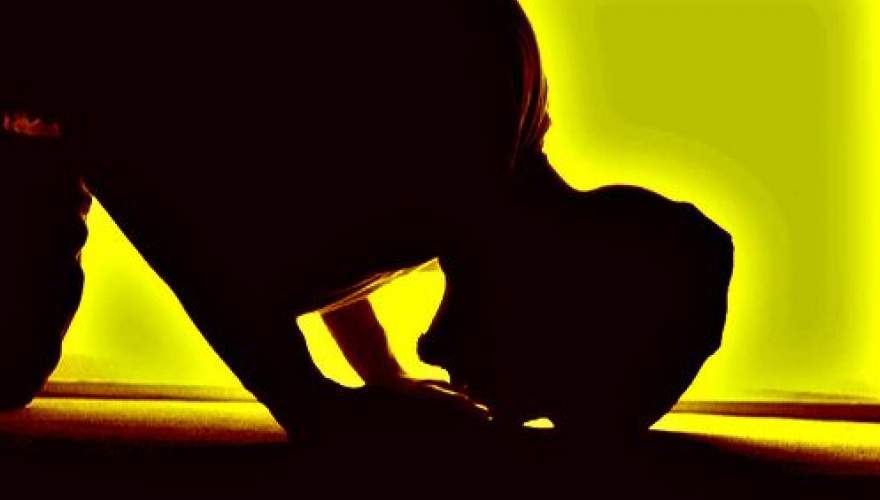
Many Muslims sometimes feel an inner emptiness or lack of peace after making dua (supplication), even when they are sincere and persistent in their prayers. This feeling is natural and common, and it does not indicate that Allah has rejected your dua or that your faith is weak. Rather, it is part of the spiritual test that strengthens patience and deepens the connection with Allah.
Acknowledging the Feeling of Emptiness After Praying
The first step in understanding this feeling is to acknowledge it. Many people expect that dua will immediately bring peace or fulfillment, and when that does not happen, they may feel disappointed or empty. This sensation is common among Muslims and is not a sign of weak faith; rather, it reflects spiritual longing and deep attachment to Allah.
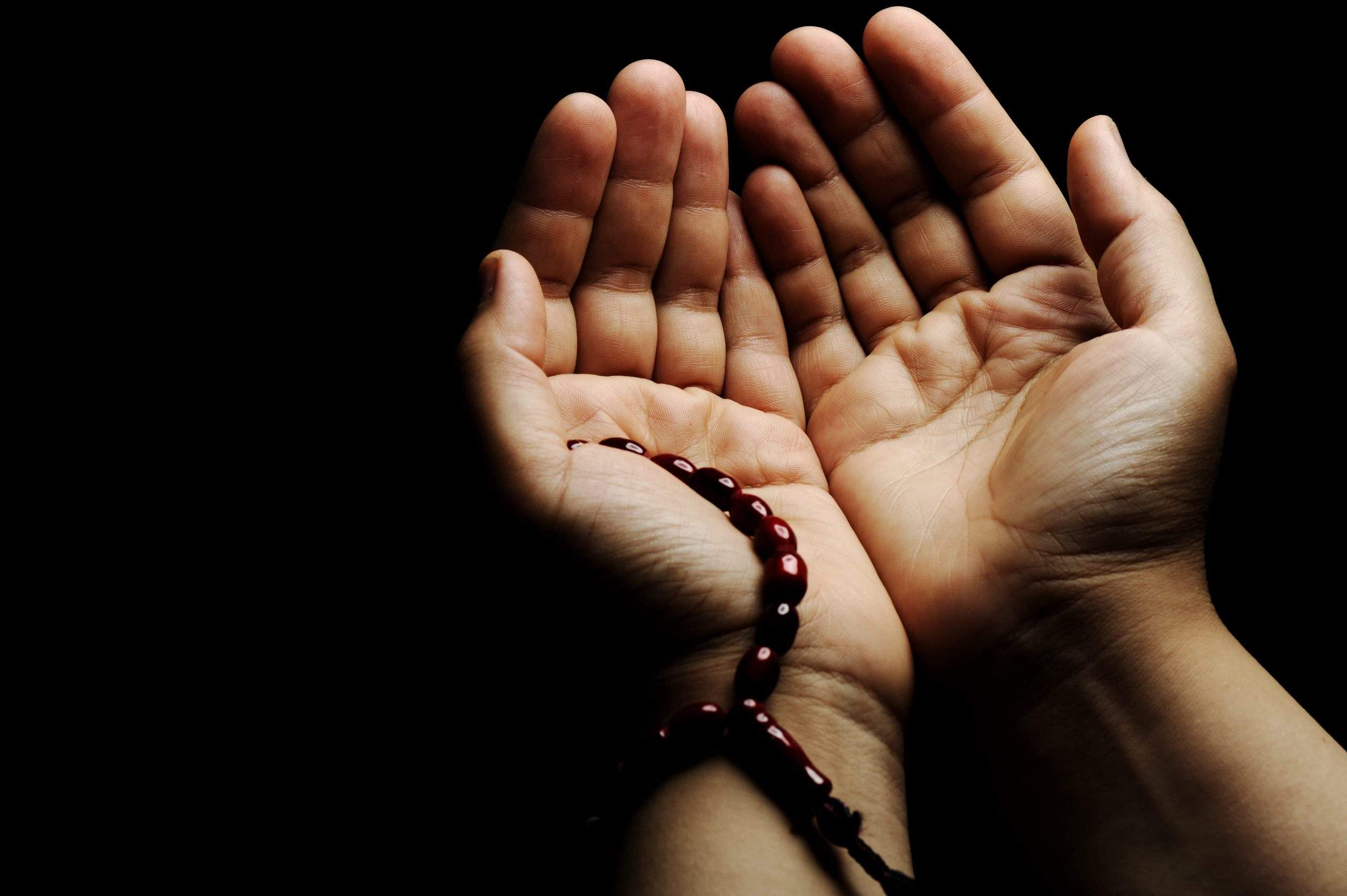
The Prophet ﷺ said: “Indeed, your Lord – Blessed and Exalted – is Generous and feels shy when His servant raises his hands to Him that He should return them empty” (narrated by Salman Al-Farsi). This indicates that dua is never wasted, even if the believer temporarily feels emptiness.
Distinguishing Between Delayed Response and No Response
It is important to distinguish between a delayed response to dua and a complete lack of response. Allah may delay answering for wisdom unknown to us or to avert something harmful.
The Prophet ﷺ said: “Dua benefits both that which has been sent down and that which has not yet been sent down, so you must supplicate to Allah” (narrated by Ibn ‘Umar). This illustrates that dua always carries effect and reward, whether the request is fulfilled immediately or postponed, as Allah knows what is best for His servant.
Feeling empty after dua does not mean it is rejected; it may be a test of patience and reliance on Allah, or a spiritual stage that strengthens faith.
After Dua: Peace and Contentment
After making dua, Muslims are encouraged to turn their hearts toward peace, acceptance, and trust in Allah. The Prophet ﷺ said: “Call upon Allah while being certain of being answered” (narrated by Huraira), emphasizing that certainty of response brings tranquility to the believer’s heart.

Why Is My Dua Not Being Answered in Islam?
1. Patiently Awaiting the Response
Patience is essential after dua. The Prophet ﷺ said: “Nothing repels destiny except dua, and nothing increases life except righteousness” (narrated by Salman Al-Farsi). These words remind us that dua can change destiny, but it requires patience and trust.
2. Being Content with Allah’s Decree
Acceptance of Allah’s decree strengthens peace. Feeling empty after dua can be an opportunity to train oneself in contentment and to rely on Allah rather than obsessing over a specific outcome. Allah says: “And when My servants ask you concerning Me, indeed I am near. I respond to the call of the caller when he calls upon Me” [Qur’an 2:186]. This verse reassures believers that Allah is always near and that responses may come in forms beyond what is expected, yet always for the good of the believer.
Strengthening a Muslim’s Confidence in Dua
To overcome the feeling of emptiness, a believer should strengthen confidence in the response to dua:
-
Sincerity in Dua: Pure, sincere dua is closest to acceptance. Allah says: “Call upon Allah, being sincere to Him, even though the disbelievers dislike it” [Ghafir:14].
-
Following the Prophet ﷺ: Emulating the Prophet in supplication enhances spiritual benefit and certainty. Allah says: “Follow him so that you may be guided” [Al-A‘raf:158].
-
Trust and Certainty: Knowing that all goodness is in Allah’s hands increases certainty in acceptance.
The Prophet ﷺ also said: “Call upon Allah while being certain of being answered” (narrated by Huraira), which reinforces that certainty brings inner calm.
Etiquette and Conduct After Dua
Observing the proper etiquette of dua extends beyond the act of praying itself:
-
Presence of Heart and Humility: Approaching Allah with sincerity and reverence brings comfort.
-
Avoid Hastiness: The Prophet ﷺ said: “It is answered for one of you as long as he does not hasten” (narrated by al-Bukhari and Muslim). Patience is crucial.
-
Avoiding Sin: Maintaining obedience and avoiding prohibitions keeps dua closer to acceptance.
-
Continuing Supplication: Consistent dua without despair reflects a continuous connection with Allah and increases blessings.
Common Mistakes That Extend the Feeling of Emptiness
Certain behaviors may prolong the sense of emptiness:
-
Supplicating for what is forbidden or contrary to Sharia.
-
Lacking etiquette or sincerity in dua.
-
Doubting Allah’s power to answer.
-
Hastening the response or abandoning dua if immediate results are not seen.
Avoiding these mistakes makes dua more effective and alleviates the feeling of emptiness.
Practical Tips for Dealing with Emptiness After Dua
-
Remember the lasting impact of dua: Even if the request is not immediately fulfilled, dua elevates ranks and averts harm.
-
Trust in Allah: Know that He knows what benefits you and what prevents harm.
-
Cultivate inner tranquility: Engage in dhikr, Qur’an recitation, and good deeds to strengthen faith.
-
Wait patiently: Every dua has a time for response, and Allah is Most Merciful.

Conclusion
Feeling empty after dua is natural and common; it does not signify rejection or weak faith. The difference between delayed and no response is always present. Allah tests His servants’ patience and grants them peace and blessings. By relying on sincerity, following the Prophet ﷺ, trusting in Allah, and exercising patience, a believer can overcome this emptiness and experience dua as a deeply spiritual practice.
Allah says: “Call upon Me; I will respond to you” [Ghafir:60], reminding us that dua is a means of closeness to Allah and inner comfort, even if the emptiness lingers for a while.