
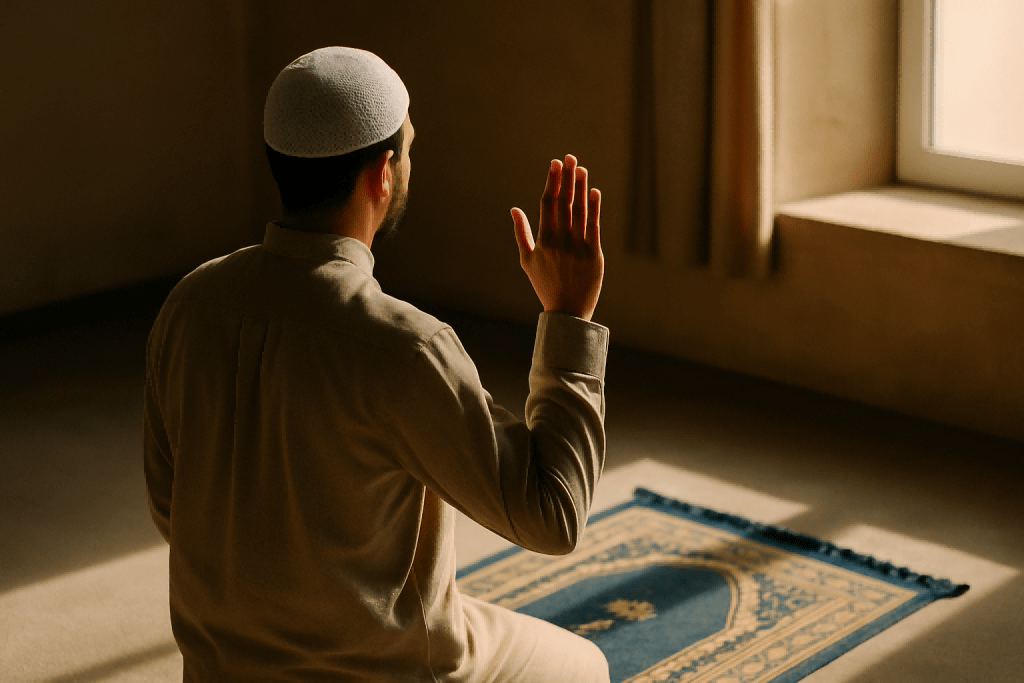
Feeling a spiritual void or a sense of distance from your Creator can be a heavy burden on the soul. However, Supplication (Dua) in Islam is considered the most profound form of worship. It is the sacred bridge where the servant calls upon Allah for guidance, care, and assistance, expressing utter need and humility before Him. In moments of spiritual dryness, Dua serves to fulfill needs and relieve distress, forming an essential part of a Muslim’s daily life. Just as water is vital to fish, remembrance (dhikr) and supplication are the very lifeblood of the human heart.

The Virtue of Dua in the Qur’an and Sunnah
To understand why we turn to Dua when feeling far from Allah, we must look at the divine encouragement found in the holy texts. Allah explicitly commands His servants to engage in this intimate conversation, promising a direct response:
“And your Lord says, ‘Call upon Me; I will respond to you.’” — [Surah Ghafir: 60]
The beauty of Islam lies in the accessibility of the Creator. No matter how many sins we carry or how distant we feel, the invitation to reconnect with Allah through Dua is always open:
“And when My servants ask you concerning Me—indeed I am near. I respond to the invocation of the supplicant when he calls upon Me.” — [Surah Al-Baqarah: 186]
The Prophet ﷺ reinforced this by stating clearly: “Dua is the essence of worship.”
Why Allah Loves Your Supplication
Allah loves to be asked, and He honors those who reach out to Him. As the Prophet ﷺ stated: “Nothing is more honored by Allah than dua.” One of the most powerful aspects of this worship is its ability to change our path; “No decree is repelled except by dua.”
When you make Dua for spiritual reconnection, the benefits are always guaranteed in one of three ways:
- An immediate response in this world.
- Reward preserved for you in the Hereafter.
- The removal of a looming affliction or calamity.
Ultimately, Dua prevents trials before they occur, uplifts a heavy heart, and serves as the ultimate refuge for the soul seeking its way back home.
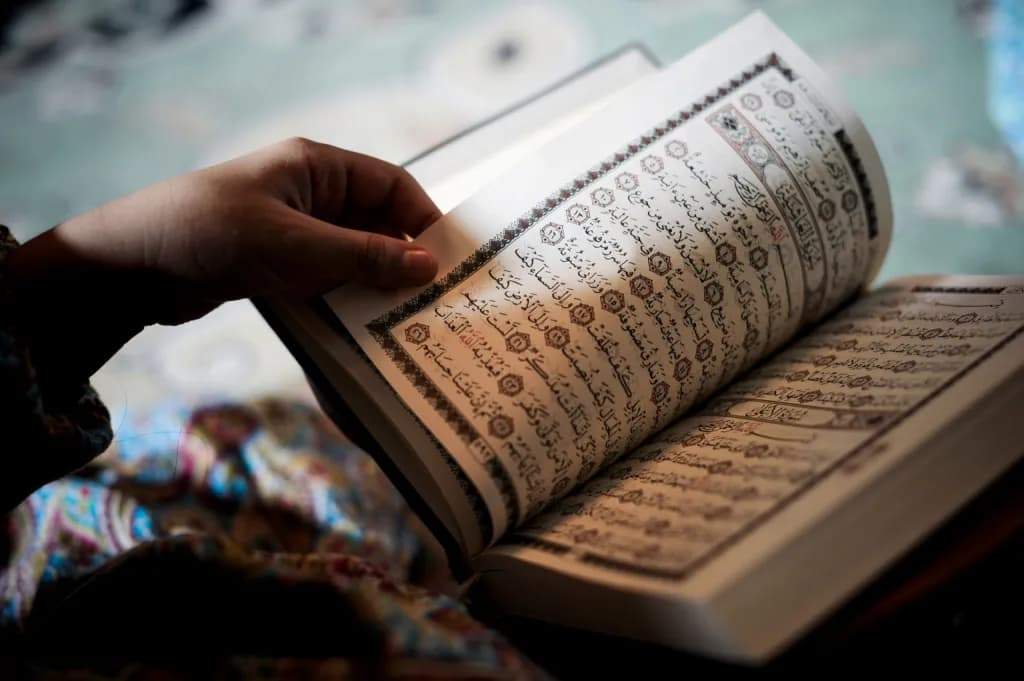
The Psychological Impact of Dua: Healing the Soul
Scientific research and spiritual tradition both agree that regular supplication acts as a powerful balm for the human psyche. When you feel a spiritual disconnection, making Dua calms the mind and heart, effectively alleviating anxiety and stress. By pouring out your deepest worries to the Creator, you no longer feel alone in your struggles; you feel accompanied by the Divine.
This intimate conversation builds self-confidence and a profound trust in Allah’s plan, replacing despair with hope and optimism. Furthermore, the recitation of the Qur’an alongside dua serves as a therapeutic tool that reduces worry and instills tranquility (Sakina), especially when combined with deep reflection on the meanings of the words.
“Those who have believed and whose hearts are assured by the remembrance of Allah. Unquestionably, by the remembrance of Allah hearts are assured.” — [Surah Ar-Ra’d: 28]
Ultimately, Dua illuminates the heart, lifting the heavy veils of grief and sorrow, and replacing them with joy and inner happiness. It is a cornerstone of mental health in Islam, serving both as a preventive shield and a therapeutic remedy for the restless soul.

Selected Supplications for Spiritual Reconnection
When you feel a spiritual distance from Allah, the best words to utter are those preserved in the Qur’an and Sunnah. These prayers were said by Prophets in their most vulnerable moments, making them perfect for anyone seeking Dua when feeling far from Allah.
1. The Dua of Prophet Yunus (Jonah) – Finding Light in Darkness
لَّا إِلَٰهَ إِلَّا أَنتَ سُبْحَانَكَ إِنِّي كُنتُ مِنَ الظَّالِمِينَ
“La ilaha illa anta, subhanaka, inni kuntu minaz-zalimin.”
Translation: “There is no deity except You; exalted are You. Indeed, I have been of the wrongdoers.” — [Surah Al-Anbiya: 87]
The Context: This powerful supplication was made by Prophet Yunus while he was in the three layers of darkness: the darkness of the night, the darkness of the deep sea, and the darkness of the belly of the whale. In this state of severe distress, he turned to Allah not with a request, but with an acknowledgement of Allah’s perfection and his own human shortcomings.
Why it helps when feeling far: Often, the feeling of distance comes from the weight of our own mistakes. This dua reminds us of Tawheed (the oneness of Allah) and Divine perfection, providing immediate psychological comfort and a path back to spiritual relief.

2. The Dua of Prophet Nuh (Noah) – Seeking Divine Help
أَنِّي مَغْلُوبٌ فَانتَصِرْ
“Anni maghlubun fantasir.”
Translation: “My Lord, indeed I am overpowered, so help.” — [Surah Al-Qamar: 10]
The Context: After 950 years of calling his people to Allah and facing constant oppression and mockery, Prophet Nuh reached a breaking point. This dua is the ultimate cry of a soul that feels defeated by life’s hardships and injustice.
Why it helps when feeling far: Sometimes the “distance” we feel is actually spiritual burnout. Admitting that you are “overpowered” to Allah is a form of strength. It increases steadfastness and reinforces your trust in Allah to bring victory and peace to your heart.
3. Sunnah Dua for Anxiety, Sorrow, and Spiritual Lethargy
“O Allah, I seek refuge in You from anxiety and grief, from incapacity and laziness, from cowardice and miserliness, and from being overpowered by debt and the oppression of men.”
The Context: Reported from the Prophet ﷺ, this supplication is a comprehensive shield against psychological ailments. The Prophet ﷺ used to recite this daily to maintain mental health and spiritual energy.
Why it helps when feeling far: Feeling far from Allah often manifests as laziness in worship or grief that weighs down the heart. This dua specifically asks for protection against “incapacity,” helping you regain your peace of mind and the motivation to reconnect.
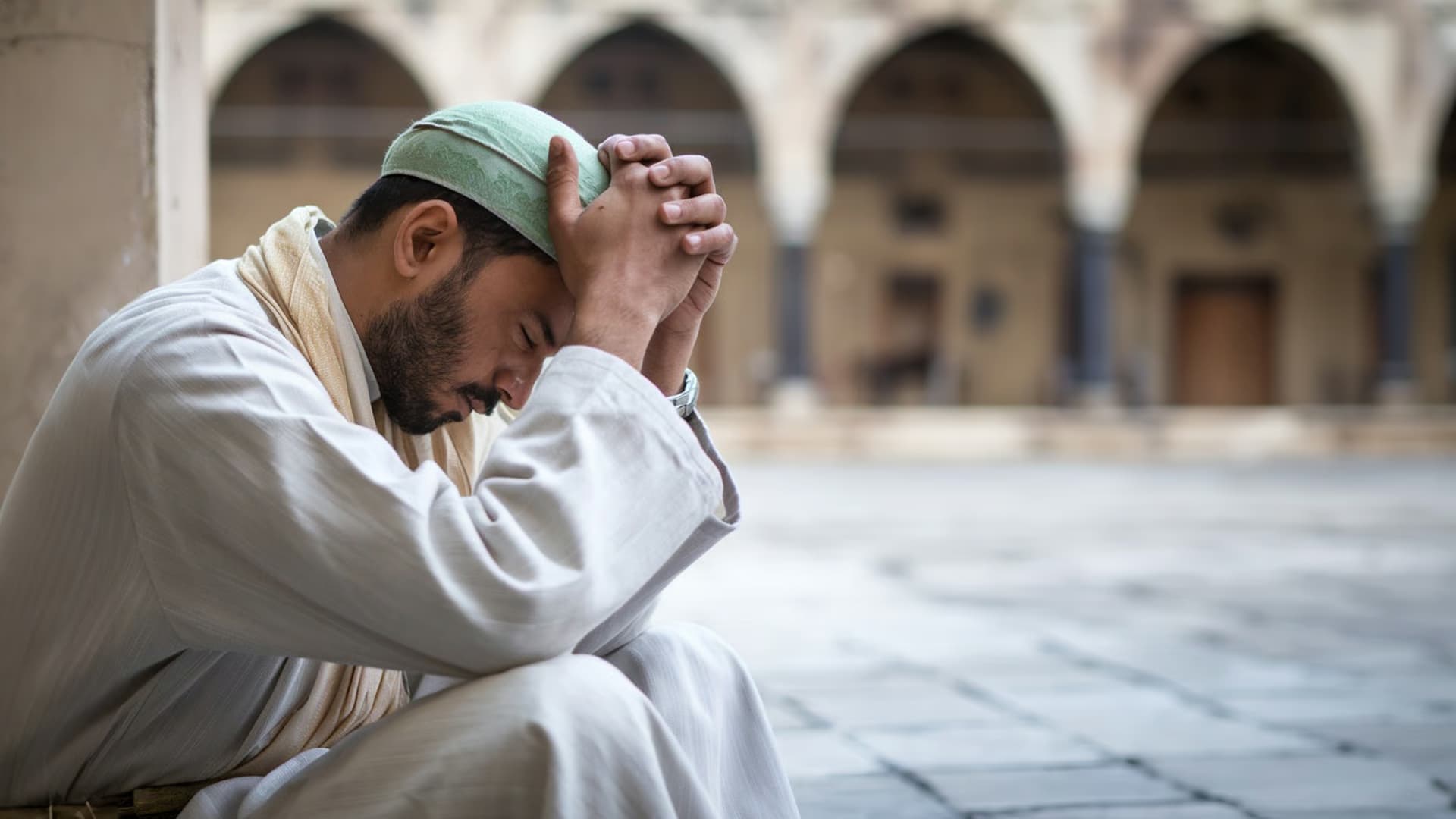
Other Qur’anic Supplications for Psychological Comfort
Beyond the primary prayers of the Prophets, the Holy Qur’an is filled with verses that act as a direct remedy for a restless heart. These supplications are specifically chosen for their ability to cultivate tranquility and help believers overcome stress and spiritual fatigue.
-
1. Seeking Ease in Hardship:
“My Lord, expand for me my chest and ease for me my task.” — [Surah Ta-Ha: 25-26]
The Context: This was the plea of Prophet Musa (Moses) when facing the daunting task of speaking to Pharaoh. It is perfect for when you feel “suffocated” by responsibilities or spiritual distance.
-
2. The Prayer for Immediate Forgiveness:
“My Lord, indeed I have wronged myself, so forgive me.” — [Surah Al-Qasas: 16]
The Context: Also a prayer of Musa (AS) after an unintentional mistake. It teaches us that the quickest way back to Allah is through humble admission and seeking His mercy.
-
3. The Comprehensive Prayer (Rabbana Atina):
“Our Lord, give us good in this world and good in the Hereafter and protect us from the punishment of the Fire.” — [Surah Al-Baqarah: 201]
Meaning: This is considered the most comprehensive Dua, seeking a balanced life of success on Earth and peace in the eternal life.
-
4. The Declaration of Sufficiency:
“Sufficient for me is Allah; there is no deity except Him. On Him I rely.” — [Surah At-Tawbah: 129]
Meaning: Reciting this reinforces Tawakkul (reliance on Allah), especially when you feel that the world is closing in on you.
Listen & Learn: 40 Powerful ‘Rabbana’ Duas
Sometimes, listening to these verses can help ground your soul. Watch this beautiful recitation of the 40 ‘Rabbana’ Duas from the Qur’an:
Video Credit: Omar Hisham Al Arabi – 40 Rabbana Duas
Optimizing Your Connection: Best Times and Positions for Dua
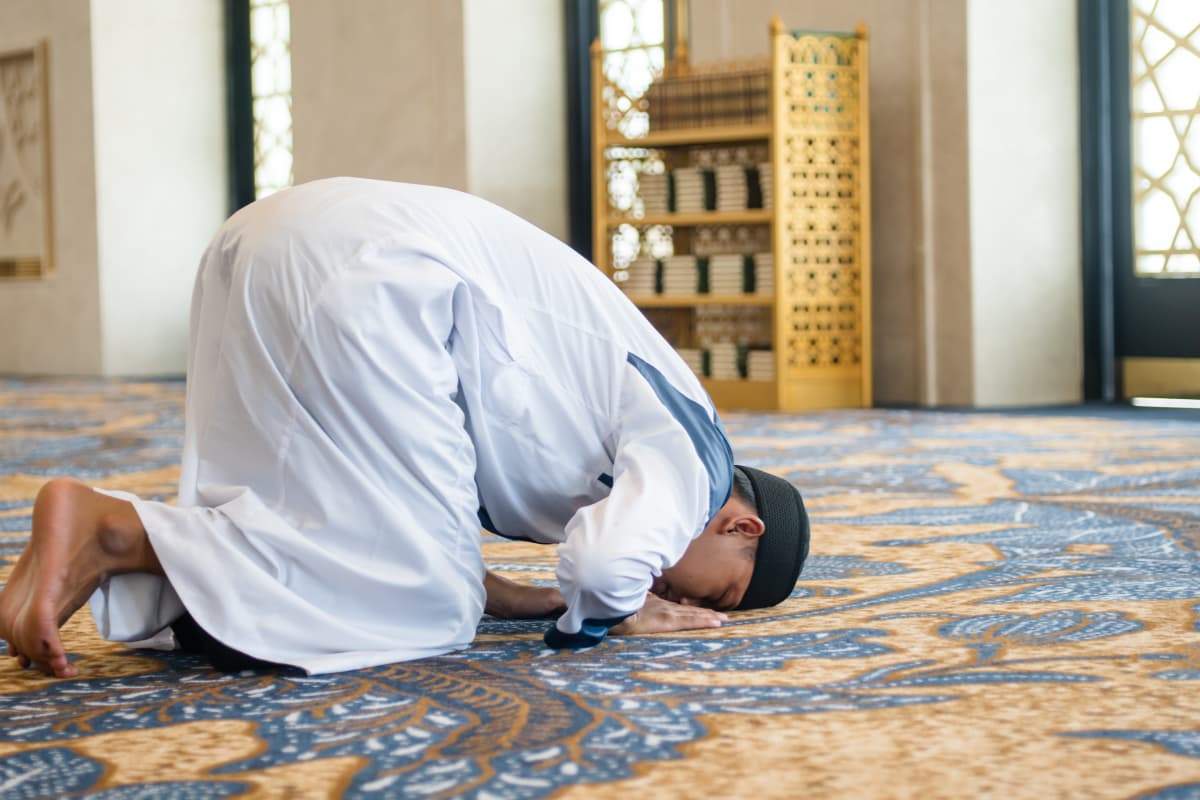
While you can call upon Allah at any time, certain moments and positions are described as “golden windows” for acceptance. During prayer (Salah), the most powerful state for dua is during prostration (Sujud).
The Prophet ﷺ said: “The closest a servant is to his Lord is during prostration, so increase your supplication.” This is the ultimate moment of spiritual closeness, where your forehead touches the ground in total humility.
Other recommended times to increase your supplication include:
- The last third of the night (Tahajjud): When Allah descends to the lowest heaven to answer those who call Him.
- Between the Adhan and Iqamah: A time when the gates of mercy are open.
- In Prostration: As mentioned, the peak of intimacy with the Creator.
Always strive to be persistent in your requests, as Allah loves the voice of His servant who never gives up on His mercy.
Practical Tips to Maintain Regular Dua and Consistency
Consistency is the secret to spiritual growth. To ensure you don’t feel distant again, it is vital to build a daily spiritual habit. Here is how you can maintain your connection with Allah:
- Set a Dedicated Daily Time: Choose a specific moment—ideally right after prayers—to speak to your Creator with sincerity and focus.
- Reflect on the Meanings: Don’t just recite words. Reflect on the deep meanings of your supplications to truly deepen your spirituality.
- Be Patient and Persistent: Continue your practice without haste. Always remember that dua changes destiny, even if you don’t see the results immediately.
- Dua in All States: Invoke Allah in both times of ease and difficulty, always shielding your heart with gratitude.
When you maintain this bond, the benefits overflow into your worldly life. Regular Dua enhances relationships and improves work performance, making you a calmer, more centered, and more productive individual.

Conclusion: Your Way Back to Allah
Ultimately, Dua is the spiritual link that directly connects a heavy heart with the infinite mercy of Allah. Whether you are seeking inner peace or relief from distress, the treasures of the Qur’an and Sunnah provide everything you need to find your way home.
Regular practice of these supplications fosters psychological healing and permanent tranquility, proving that Dua is truly the believer’s weapon in every circumstance. Never underestimate the power of a sincere whisper to the Heavens.
Let Dua be your constant companion for spiritual comfort, today and every day.
Did this guide help you feel closer to Allah?
Share this article with someone who might need these words today, and leave a comment below with your favorite Dua for peace of mind!