

Every person goes through periods of waiting in life—waiting for relief, the fulfillment of a hope, the removal of hardship, or the answer to a prayer. This stage is not merely the passing of time; it is a deep psychological and spiritual state in which the sincerity of faith and the strength of certainty are revealed. In the scale of faith, waiting is not emptiness—it is a field of testing where hearts are examined and steadfast souls are distinguished from restless ones.
Waiting: A Field of Test, Not Wasted Time
Life as a whole is a place of trial and examination, and people are not the same in how they respond. When hardships and trials descend, they reveal true character and expose the reality of one’s faith. The Qur’an describes this condition:
“And among the people is he who worships Allah on an edge: if good touches him, he is reassured by it; but if a trial befalls him, he turns back on his face.” (Surah Al-Hajj)
Some people tie their faith to quick results; if the answer is delayed, their stability weakens. In contrast, the believer with firm faith responds differently—if afflicted, he shows patience, and it becomes good for him; if blessed, he shows gratitude, and it becomes good for him. His condition is always beneficial.
Psychologically, waiting often brings anxiety, uncertainty, and fear of the future. True faith offers a different perspective: what appears to be delay is not neglect, but part of a divine wisdom and careful planning.

The Difference Between Patience and Passivity
Many people confuse patience with inactivity.
Passivity means surrendering without effort.
True patience, however, is the steadiness of the heart while continuing to act and pursue the available means.
Authentic reliance on God (tawakkul) is built upon two foundations:
-
The heart’s dependence on Allah and inner calm with Him.
-
Taking practical steps and acting upon available means.
The Prophet (peace be upon him), the greatest example of reliance, always took the necessary measures: he wore armor in battle, arranged guidance during migration, stored provisions for his family, and prepared supplies for travel.
Faith-based waiting is not withdrawal from life. It is effort and action combined with inner tranquility that outcomes are in God’s hands.

| Does Dua Change Destiny in Islam? |
Waiting as Trust, Not Helplessness
One of the strongest sources of stability during waiting is the certainty that all affairs are controlled by Allah. Nothing occurs except by His will. The keys of the heavens and the earth belong to Him; what He wills happens, and what He does not will never occurs.
This understanding transforms waiting from helplessness into trust and surrender. The believer does not wait because he is powerless, but because he knows the matter rests with the One who has power over all things.
Another source of reassurance is knowing that provision and lifespan are already decreed, and every matter has its appointed time. Nothing comes earlier or later than what has been written.
The Psychological Impact of Faith During Waiting
Sound faith plays a powerful role in calming the heart during crises and prolonged uncertainty. A believer learns essential truths from his faith, including:
-
Allah has promised support and protection for the people of faith (Surah Muhammad, Aal-Imran, Al-Hajj, Ar-Rum).
-
Injustice may be given time, but it is never ignored.
-
Outcomes are not always immediate; events unfold according to a greater wisdom beyond the present moment.
These meanings prevent emotional collapse when relief seems delayed, because the believer sees the broader reality—not just the current situation.
When Waiting Becomes Difficult: Faith Increases
A true believer is not shaken by fear or rumors. When circumstances intensify, his faith and reliance increase. The Qur’an describes the response of the believers:
“Sufficient for us is Allah, and He is the best Disposer of affairs.” (Surah Aal-Imran)
This statement was spoken by Prophet Ibrahim when he was thrown into the fire, and by Prophet Muhammad (peace be upon him) during times of severe threat.
Its meaning is profound: Allah is sufficient for us. When this settles in the heart, waiting transforms from tension into inner peace.
Supplication During the Waiting Period
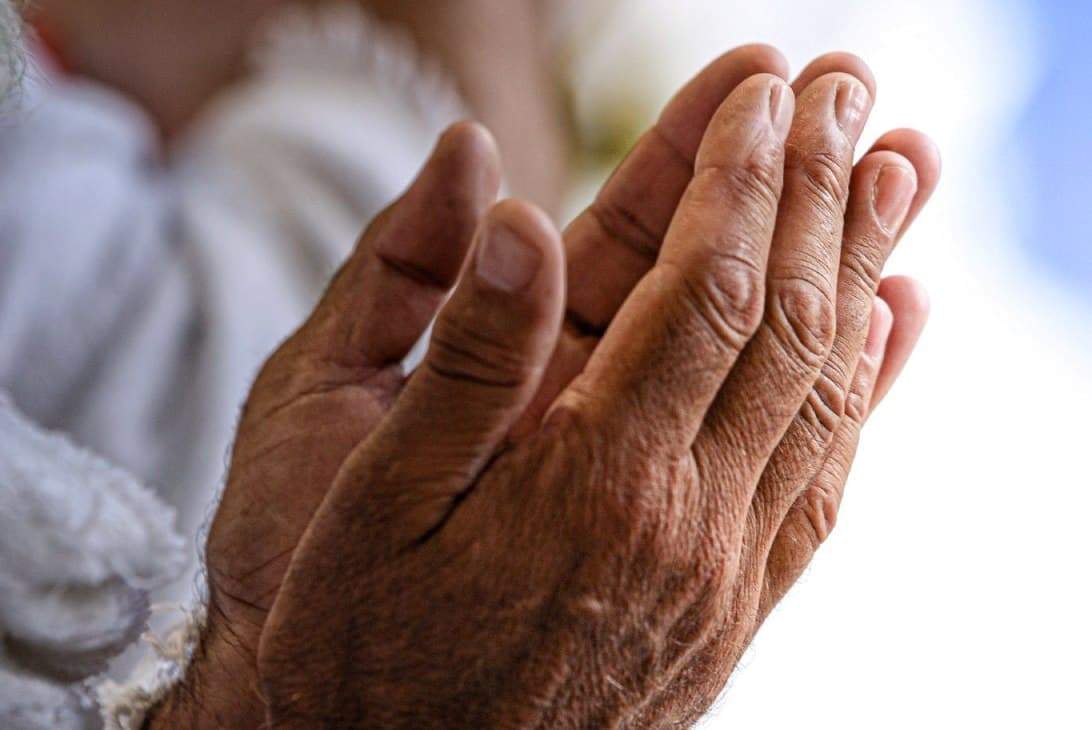
One of the greatest sources of strength while waiting is supplication (du‘a)—especially in moments of humility and brokenness. In times of hardship, the believer turns to Allah with sincerity, hope, and submission.
Allah says:
“Who responds to the distressed when he calls upon Him and removes the harm?” (Surah An-Naml: 62)
Relief may come through a sincere prayer at a moment of deep honesty. Supplication is not only a request—it is an act of worship that keeps the heart connected to God throughout the waiting period.
Balance Between Means and Reliance
True reliance is neither abandoning the means nor depending entirely on them. The correct path is the balance between faith and action.
The believer works, plans, and strives—then leaves the results to Allah. A sign of genuine reliance is that the heart does not collapse when results are delayed or circumstances change, because its true stability lies with Allah, not with outcomes.
Examples of Steadfast Trust
A powerful example of complete trust appears in the narration of Jabir (may Allah be pleased with him): an enemy once took the Prophet’s sword while he was resting and asked, “Who will protect you from me?”
The Prophet replied with full calm: “Allah.”
The sword fell from the man’s hand, and the Prophet forgave him.
This moment reflects the essence of faith during uncertainty: calmness of heart and complete confidence that Allah is the Best Protector.
How a Believer Lives the Waiting Period
The healthy faith-based mindset during waiting includes:
-
Certainty that everything occurs by divine decree.
-
Acting upon available means without emotional dependence on them.
-
Frequent supplication and hope.
-
Emotional stability despite fear or pressure.
-
Inner calm rooted in trust in Allah, not in immediate results.
-
Seeing trials as a process of purification and growth.
Waiting, therefore, is not stagnation—it is a deep process of spiritual development.

Conclusion
Waiting for God’s answer is not weakness, nor is it meaningless delay. It is a period in which divine wisdom unfolds and true faith is built. During this time, the heart learns reliance, certainty grows stronger, and attachment to outcomes is replaced by trust in the One who controls them.
The believer does not live this phase in constant anxiety, but in quiet confidence that Allah manages every affair, that His promise is true, and that relief will come at the time chosen by His perfect knowledge and wisdom.
When this certainty settles in the heart, waiting is no longer a burden—it becomes a hidden act of worship, a journey of closeness, and a state of peace, no matter how long the path may be.