
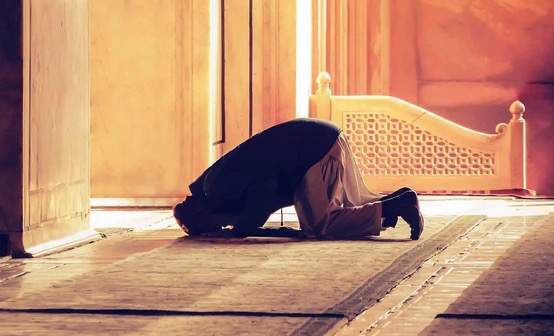
Feeling distant from God is an experience many believers encounter, even while performing acts of worship and observing religious rituals. Some feel their hearts empty during prayer, and that dhikr (remembrance of God) no longer fills their souls with the tranquility it once did.
This feeling does not indicate weak faith; rather, it is a natural part of the human spiritual journey.
which fluctuates between moments of closeness and periods of spiritual fatigue. In this article, we explore what the sources say about this state, distinguish between sincerity and emotional feeling.
provide a real-life example of a believer’s experience, and relate it to the broader spiritual distance—without offering quick or idealized solutions.

The Difference Between Sincerity and Feeling
Sincerity toward God is an act rooted in inner conviction and is not always linked to the emotional experience of serenity or humility. A believer may perform prayer with outward devotion while internally feeling spiritual fatigue.
This does not reduce the validity of their worship before God, who knows the hearts. As the Qur’an indicates, righteous deeds are among the means of drawing closer to God.
whereas sins and transgressions are the greatest causes of distance, varying in impact according to their severity.
Tranquility in worship is therefore not always a continuous feeling; it is a state the heart experiences at certain times.
The texts also emphasize that some sins or actions—such as approaching forbidden acts like alcohol consumption or adultery—clearly lead to spiritual distance, while righteousness and good deeds bring one closer to God, regardless of transient feelings.
Forms of Distance from God
The sources explain that there are various forms of distance from God. These include outright disbelief, such as rejecting faith or denying Qur’anic truths, and subtler yet highly impactful forms.
like hypocrisy or directing supplication toward creatures instead of God alone. For example, a hypocrite may outwardly display faith yet remain far from the essence of truth, and in times of trial, is closer to disbelief:
“{And the hypocrites will know their falsehood. When it is said to them, ‘Come, fight in the way of Allah, or defend,’ they say, ‘If we had known fighting, we would have followed you.’ They are nearer to disbelief that day than to faith. They speak with their mouths what is not in their hearts, and Allah knows what they conceal.}” (Al-Imran: 167)
Similarly, turning to beings who can neither benefit nor harm—or seeking closeness through intermediaries other than the Creator—is a barrier to true spiritual closeness.
It diverts the heart from God alone and distances it from authentic faith.

Sins and Their Effect on Spiritual Closeness
Texts indicate that sins are among the strongest causes of distance from God. Major sins, such as adultery or consuming alcohol, have the greatest impact: they remove virtue from the soul and strip the heart of humility and peace.
“Do not approach adultery; indeed, it is an abomination and an evil way.” (Al-Isra: 32)
In addition, poor character, described in the sources as distancing a person from God’s presence.
prevents inner serenity and can make one feel spiritually distant even while continuing acts of worship.
A Real-Life Example
Consider a simple example familiar to many readers: a young man committed to praying on time and diligently reading the Qur’an notices that his heart feels empty during prayer.
Despite repeating dhikr, he does not feel the peace he experienced at the beginning of his spiritual journey.
This does not mean he is distant from God; rather, his heart is going through a natural phase of spiritual fatigue—a state all sincere believers experience at times.
Feeling, therefore, is not an indicator of the acceptance of deeds or closeness to God; it reflects a temporary spiritual state.
Why Do I Feel Distant from Allah Even When I Pray?
Understanding Spiritual Fatigue
Spiritual fatigue in worship is often linked to distance from the true sources of closeness: honesty with oneself, avoidance of sin, and cultivation of good character.
A heart burdened with sin or forbidden inclinations struggles to experience the serenity of prayer and dhikr, whereas one striving for closeness to God, despite weak feeling.
retains valid and accepted worship, for God knows what is hidden in the hearts.
The sources stress that humility is not always an emotional experience; it is the result of consistent commitment and spiritual effort. Differentiating between inner sincerity and transient emotional feeling is essential.
Accepting periods of spiritual fatigue does not imply despair or loss of hope. A sincere believer is measured by dedication to righteous deeds and pursuit of God-consciousness, even if the heart does not feel the desired closeness each time.
Accepting Spiritual Fatigue Without Despair
Dealing with this state requires understanding the nature of the human heart and recognizing that feeling distant from God is temporary, not a sign of weak faith. Spiritual fatigue is part of the journey and should not lead to despair.
Acknowledging this reality helps calm the soul, reduces guilt, and allows one to focus on consistency in worship and righteous action.
rather than being preoccupied with the absence of feeling.

Conclusion
Feeling distant from God is a natural experience for believers, and faith should not be judged solely on transient emotions. Differentiating between sincerity and feeling, and understanding the impact of sins on the heart, helps soothe the soul and reduce internal anxiety.
Real-life examples show that a believer can remain devoted despite spiritual fatigue. Humility is not always an emotional sensation; it is the fruit of continuous commitment and righteous action.
Accepting spiritual fatigue as part of the journey, while consistently striving for closeness to God through good deeds.
balances psychological reality with spiritual pursuit and reinforces trust that God is near, even when the feeling is absent.