

Ramadan is a special month in the lives of Muslims, not only because of fasting and night prayers but also as an opportunity to renew faith, purify the soul, and strengthen the connection with Allah. To make this month a truly spiritual experience, Muslims need comprehensive preparation that combines spiritual and practical preparation for Ramadan, ensuring that every moment of the blessed month is fully utilized.
1. Spiritual Preparation
The spiritual aspect is the foundation of preparation for Ramadan, as the heart is the key to worship and success in devotion. Without mental and spiritual readiness, acts of worship may become a mere routine devoid of meaning.

A. Igniting the Desire for Allah
Spiritual readiness begins with awakening the heart’s yearning for Allah. A Muslim who feels a deep longing for closeness to Allah and experiences divine love finds fasting, night prayers, and charity spiritually fulfilling rather than merely obligatory. This yearning can be increased by reflecting on the virtues of Ramadan, reading the Qur’an, contemplating the stories of the prophets and righteous people, and appreciating the blessings surrounding daily life.
B. Renewing Faith
Before Ramadan, it is important to review one’s life and renew faith. A Muslim who has neglected their duties should engage in sincere repentance and constant seeking of forgiveness, entering the month with a pure heart. This can be done by reviewing past deeds, avoiding sins, repairing relationships with others, and focusing on acts of devotion. Spiritual renewal boosts enthusiasm for worship and increases the heart’s humility in prayer and Qur’an recitation.
O Allah, prepare my heart and mind for the blessed month of Ramadan. Help me purify my intentions, strengthen my faith, and perform every act of worship with sincerity
C. Strengthening Willpower and Determination
Ramadan requires strong willpower, as fasting and night prayers can be physically and mentally challenging. Preparing in advance by cultivating patience and self-discipline helps a person endure fasting and other acts of worship. Simple exercises, such as controlling anger or resisting desires in daily life, can train one for the greater challenges of Ramadan.
D. Qur’an Reading and Mental Preparation
It is advisable to read the Qur’an before Ramadan, to familiarize oneself with Allah’s words and memorize portions that may be completed during the month. Setting specific daily reading goals, such as completing the Qur’an once or twice or focusing on certain surahs for reflection, helps prepare the mind. Mental readiness ensures that acts of worship become a consistent daily habit rather than temporary commitments.

2. Practical Preparation
Practical preparation is essential for facilitating acts of worship and maximizing the benefits of Ramadan. It includes organizing time, preparing the body, and adjusting daily routines.

A. Adjusting Daily Routine
Before Ramadan, gradually adjust sleep and wake times to align with Fajr prayer and night prayers. Sleeping early and waking before dawn helps in performing Fajr prayer with energy and allows time for Qur’an recitation and supplication before starting the day. Gradually modifying meal times reduces fatigue caused by sudden changes in eating patterns during fasting.
B. Planning Daily Worship
Creating a daily schedule that includes prayer, Qur’an recitation, dhikr (remembrance of Allah), supplication, and other acts of worship ensures continuity in devotion without confusion or distraction. Proper planning helps get ready for Ramadan efficiently and integrates worship into everyday routines.

C. Practicing Voluntary Acts
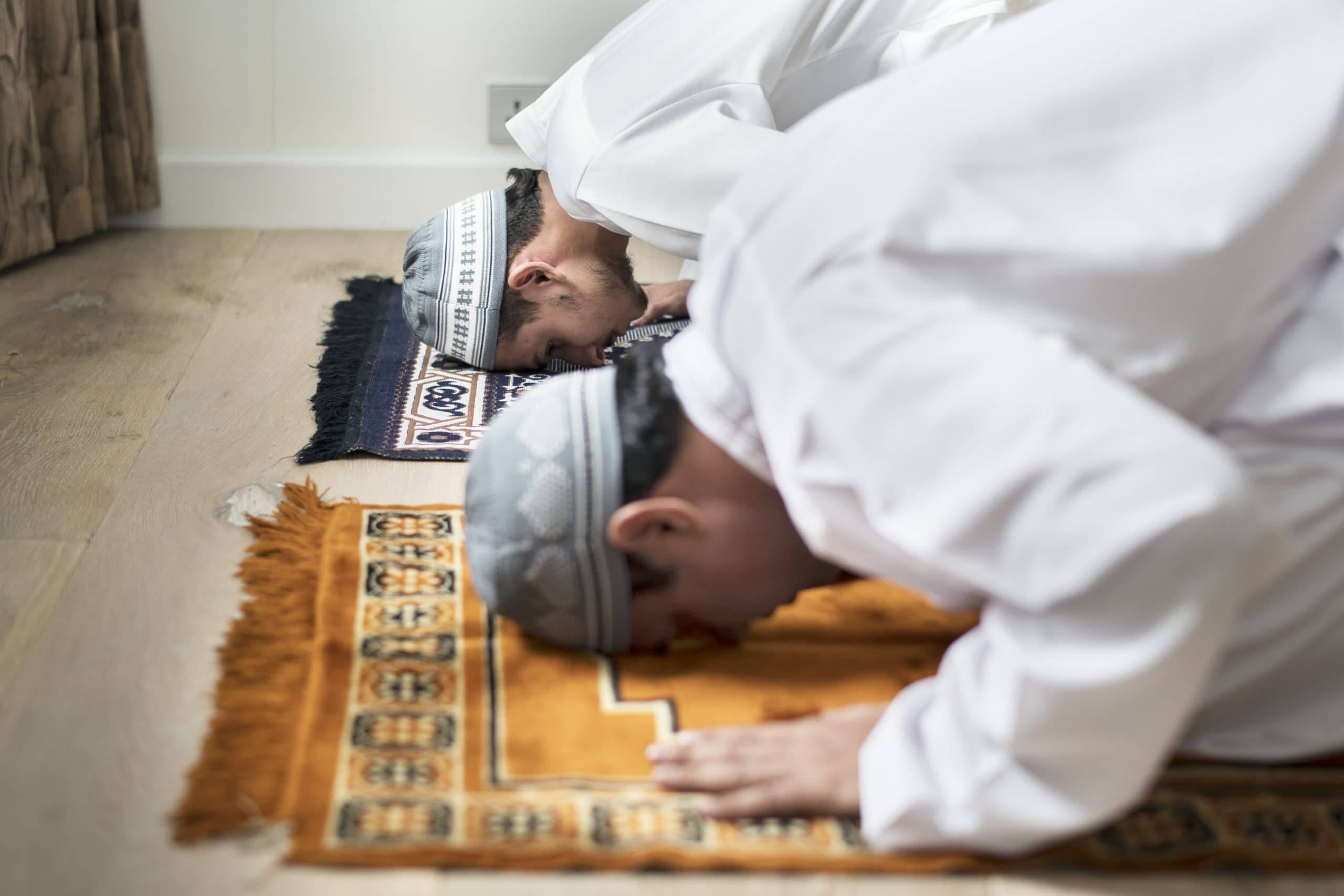
Beginning voluntary fasting, performing extra prayers, and gradually increasing night prayers prepares the body and mind for intensive worship during Ramadan. Practicing these acts makes fasting easier and enhances patience and endurance.
D. Preparing Healthy Meals
Preparing the body for fasting through nutritious meals is an important practical step. Focus on fiber-rich foods, protein, and vitamins to reduce fatigue during fasting. Avoid excessive fried and fatty foods, which can burden the digestive system and decrease energy.
E. Clearing Relationships and Purifying Intentions
Before Ramadan, it is important to review oneself, forgive others, mend relationships, and eliminate negative emotions such as hatred and anger. Sincere intentions in all good deeds increase acceptance by Allah and multiply rewards. Purifying the heart allows full focus on worship and enhances inner peace.
3. Combining Spiritual and Practical Preparation
Optimal Ramadan preparation comes from integrating spiritual and practical readiness. Spirituality fuels the heart’s desire for worship, while practical readiness prepares the body and mind to perform acts of devotion without exhaustion. A Muslim who balances both can endure fasting and prayers, maximize rewards, and benefit from every moment of the month.
A. Smart Time Management
Time can be efficiently divided between acts of worship and daily responsibilities. For instance, Qur’an recitation after Fajr, dhikr during routine tasks, and preparing healthy meals in free time. Smart planning ensures a month full of devotion without fatigue or chaos.
B. Gradual Increase in Worship
It is not necessary to start with maximum effort from day one. Begin with voluntary fasting and extra prayers, then gradually increase night prayers and dhikr. Gradual progression ensures consistency throughout Ramadan and builds lasting worship habits.
C. Focus on Quality Over Quantity
Acts of worship should be performed with sincerity and reflection rather than mechanically. Reading a small portion of Qur’an thoughtfully is better than rushing through a large portion without understanding, and praying two units with focus is better than long prayer without attention. Focusing on quality enhances spiritual impact and multiplies reward.
4. Additional Tips for Preparation
-
Set clear goals: Define specific objectives for worship and good deeds, such as completing the Qur’an, increasing charity, maintaining family ties, or volunteering.
-
Involve family: Encourage family members to participate in acts of worship together, creating a spiritual environment at home.
-
Eliminate bad habits: Stop wasting time or excessive use of social media to concentrate energy on worship.
-
Balance worship and daily life: Ensure adequate rest and nutrition to maintain strength for fasting and prayers.
-
Daily supplication and seeking forgiveness: Incorporate dhikr and istighfar (seeking forgiveness) into daily routines to purify the heart for Ramadan.
Conclusion
Preparing for Ramadan is not just about scheduling or meal planning; it is a comprehensive journey to purify the soul, strengthen faith, and prepare the body and mind for worship. When a Muslim combines spiritual preparation, such as renewing faith and purifying intentions, with practical preparation, such as organizing routines and maintaining health, they can achieve an ideal Ramadan experience and make the most of every moment.
Ramadan is an opportunity to renew the covenant with Allah, correct one’s spiritual path, and establish lasting positive habits. The goal is not only to abstain from food and drink but also from what displeases Allah, engaging fully in acts of worship and increasing closeness to the Creator. With careful planning and comprehensive preparation, every Muslim can experience a spiritually fulfilling Ramadan, filled with humility, inner peace, and satisfaction, leaving a lasting positive impact on their life and relationship with Allah and others.
O Allah, accept my fasting, prayers, and good deeds during Ramadan. Keep me steadfast in faith, purify my soul, and let the lessons of Ramadan continue to guide me throughout the year