
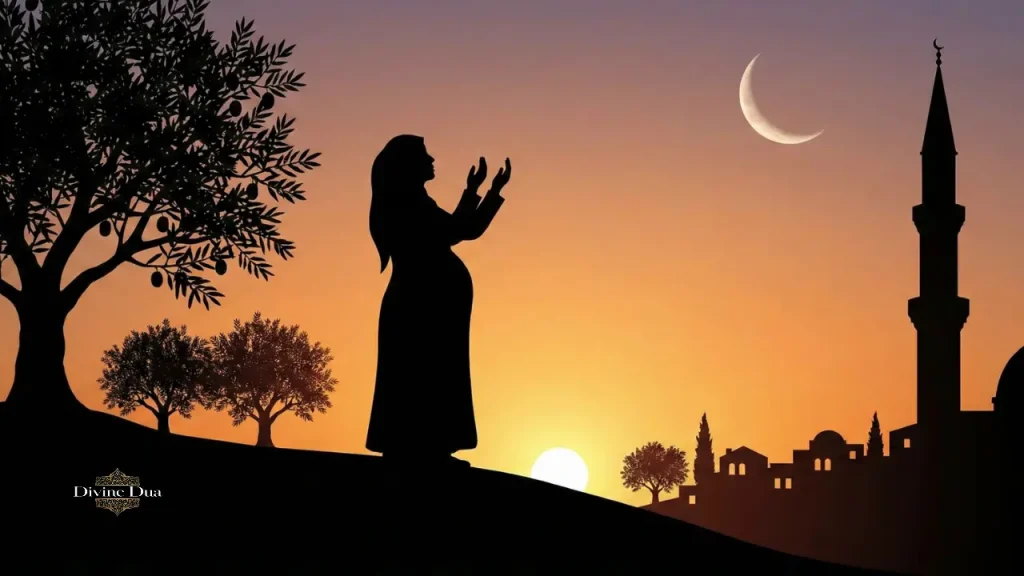
The journey of seeking and bearing a child is a profound spiritual passage, often marked by deep hopes and anxieties. As expectant parents, we turn to Allah (SWT), recognizing His majestic role as Al-Khaliq (The Creator) and Al-Musawwir (The Fashioner), the One who perfectly designs and shapes life in the wombs as He wills. This acknowledgement transforms the entire experience from a mere biological event into an act of profound worship and surrender.
This comprehensive guide is built upon this foundation of faith. It provides authenticated duas (supplications) and carefully verified practices from the Quran and Sunnah, offering the spiritual tools necessary for securing a dua for safe pregnancy and delivery and, most importantly, for nurturing the ultimate blessing: a righteous child.

Prophetic Duas for Conceiving and Righteousness
The core of Islamic spirituality regarding children is the quality of the offspring, not just the quantity. The greatest role models in faith, the Prophets, focused their intentions on seeking children who would be pious and righteous. Their supplications serve as powerful templates for anyone seeking an authentic dua for righteous child.
Dua of Prophet Zakariyya (AS) for Offspring
Prophet Zakariyya’s prayer offers profound spiritual reassurance for those facing difficulty in conceiving, highlighting humility and trust in Allah as the Ultimate Inheritor. It is a beautiful dua for safe pregnancy and healthy descendants.
رَبِّ لَا تَذَرْنِي فَرْدًا وَأَنتَ خَيْرُ الْوارِثِينَ
Transliteration: Rabbī lā tadhar-nī fardaw wa anta khayrul-wārithīn.
Translation: “My Lord, do not leave me alone [childless], while You are the best of inheritors.”
Source: Surah Al-Anbiya (21:89)
Dua of Prophet Ibrahim (AS) for a Righteous Child
Prophet Ibrahim’s appeal demonstrates that the ultimate request is for a descendant who is distinguished by piety and goodness, providing us with a timeless dua for righteous child.
رَبِّ هَبْ لِي مِنَ الصَّالِحِينَ
Transliteration: Rabbī hab lī minaṣ-ṣāliḥīn.
Translation: “My Lord, grant me [a child] from among the righteous.”
Source: Surah As-Saffat (37:100)
Dua for Pure Offspring (by Zakariyya A.S.)
In another poignant appeal, Prophet Zakariyya specifically asked for a pure and good-natured descendant, which is the essence of seeking a safe pregnancy and a blessed future.
- Arabic: رَبِّ هَبْ لِي مِنْ لَدُنْكَ ذُرِّيَّةً طَيِّبَةً إِنَّكَ سَمِيعُ الدُّعَاءِ
- Transliteration: Rabbī hab lī mil-ladunka dhurriyyatan ṭayyibah innaka samī’u’d-du’ā’.
- Translation: “My Lord, grant me from Yourself a good offspring. Indeed, You are the Hearer of supplication.”
The Ultimate Family Prayer: Dua for Spouses and Offspring
This supplication, known as the ultimate family prayer, expands the request beyond the child’s birth to cover the entire family unit. It asks Allah for a safe pregnancy and for offspring who bring “comfort to our eyes” (qurratu a’yun).
رَبَّنَا هَبْ لَنَا مِنْ أَزْوَاجِنَا وَذُرِّيَّاتِنَا قُرَّةَ أَعْيُنٍ وَاجْعَلْنَا لِلْمُتَّقِينَ إِمَامًا
Transliteration: Rabbana hab lana min azwajina wa dhurriyyatina qurrata a’yunin waj‘alna lil-muttaqina Imama.
Translation: “Our Lord, grant us from among our spouses and offspring comfort to our eyes and make us an example for the righteous.”
Source: Surah Al-Furqan (25:74)
The Nine-Month Journey (Protection and Stability)
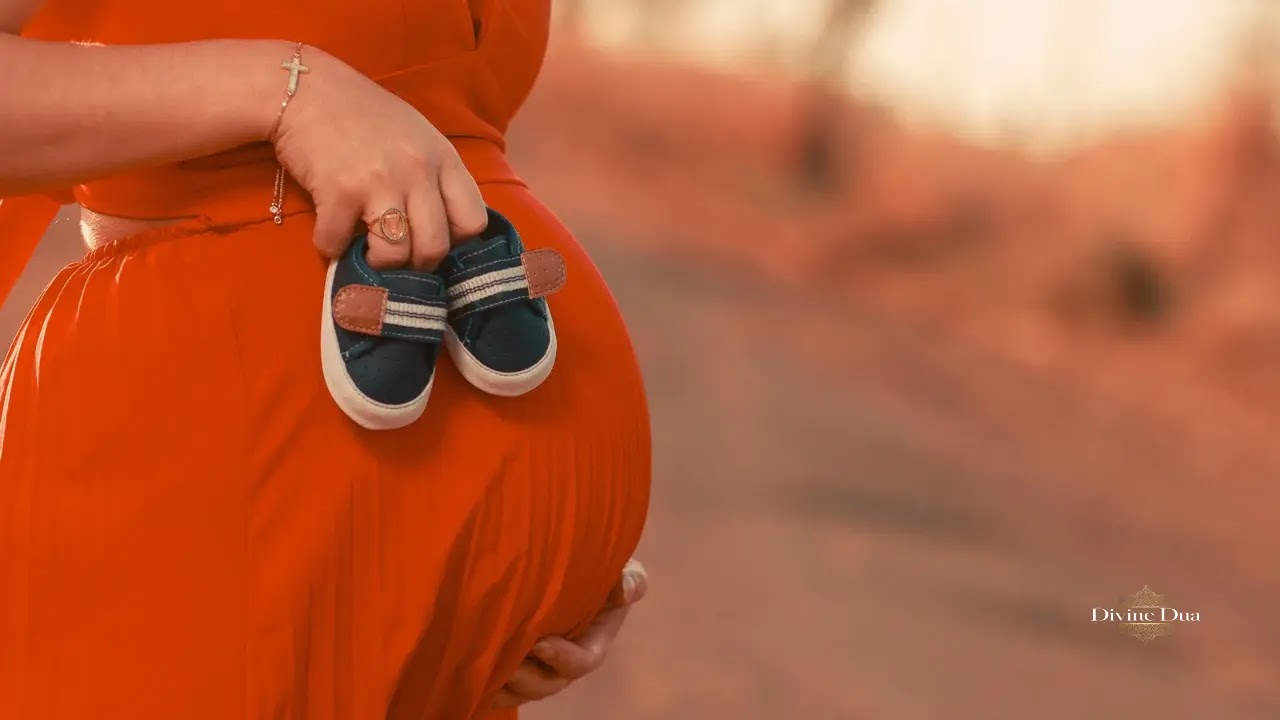
The nine months of pregnancy are a period of immense growth and vulnerability. Spiritually, this stage demands consistent reliance on Allah (SWT) to ensure the safety of both mother and child. The focus here is on securing continuous well-being, directly addressing the critical need for a powerful dua for healthy baby in pregnancy.
Duas for Comprehensive Protection and Stability
Protection begins with the authentic supplications taught by the Prophet Muhammad (peace be upon him). These prayers act as a spiritual shield against all forms of harm, be it physical, psychological, or related to the evil eye, complementing your dua for safe pregnancy.
The Fortress Dua (Essential for Protection)
This powerful dua, used for general fortification, is highly recommended to be recited regularly, safeguarding the mother and the developing fetus from spiritual affliction and ensuring a healthy baby in pregnancy.
أَعُوذُ بِكَلِمَاتِ اللَّهِ التَّامَّةِ مِنْ كُلِّ شَيْطَانٍ وَهَامَّةٍ، وَمِنْ كُلِّ عَيْنٍ لاَمَّةٍ
Translation: “I seek Refuge with Your Perfect Words from every devil and from poisonous pests and from every evil, harmful, envious eye.”
Source: Sahih al-Bukhari (3371)
- General Recitation: It is recommended to recite Surah al-Ikhlas (Chapter 112) frequently for general protection and affirmation of Allah’s Oneness.
- Ruqyah for Stabilization: For expectant mothers experiencing anxiety or health risks, performing Ruqyah (spiritual healing using Quranic verses) is advised to help prevent complications and support the stabilization of the pregnancy.
Spiritual Guidance and Recommended Deeds (Mustahabbat)
The following practices are classified as Mustahabb (recommended deeds). They contribute to a positive spiritual environment, which is integral when seeking a dua for healthy baby in pregnancy.
- Maintaining Wudu (Ablution): Remaining in a state of wudu throughout the day acts as a spiritual fortress for the mother.
- Sadaqah (Charity): Giving Sadaqah is a powerful means of seeking Allah’s protection and fending off harm during the journey of safe pregnancy.
- Avoidance of Sin: Striving to increase good deeds is essential, as the mother’s internal spiritual state is believed to influence the child in the womb.
- Monthly Recitations: Traditional practices include reciting Surah Ya Seen and Surah As Saffat for blessing and stability.
- Dietary Tips from Tradition: Eating figs and olives (mentioned in the Quran) is often recommended for their inherent blessings and nutritional value during the final stages of pregnancy.
By diligently adhering to these duas and spiritual disciplines, the mother actively seeks Allah’s grace, ensuring a complete spiritual foundation for a healthy baby in pregnancy.
The Crucial Moment (Safe and Easy Delivery)

The moment of labor and delivery is often referred to as a trial (karb)—a period requiring immense patience, faith, and spiritual focus. In these critical hours, immediate reliance on Allah is paramount. This section provides the specific, powerful supplications to seek ease, directly addressing the core need for an authentic dua for easy labor.
Key Duas for Distress and Seeking Ease
When the mother is overwhelmed by pain or anxiety, these prophetic supplications provide a spiritual anchor for a safe and easy delivery.
1. Dua for Mercy and Correction of Affairs
This comprehensive supplication is highly recommended during labor, asking Allah to guide every detail of the process and grant relief.
اللّهُـمَّ رَحْمَتَـكَ أَرْجـو، فَلا تَكِلـني إِلى نَفْـسي طَـرْفَةَ عَـيْن، وَأَصْلِـحْ لي شَأْنـي كُلَّـه، لَا إِلَهَ إِلَّا أنْـت
Transliteration: Allāhumma raḥmataka arjū, falā takilnī ilā nafsī ṭarfata ‘ayn, wa aṣliḥ lī sha’nī kullah, lā ilāha illā Ant.
Translation: “O Allah, I hope for Your mercy. Do not leave me to myself even for the blinking of an eye. Correct all of my affairs for me. There is none worthy of worship but You.”
Source: Hadith (Abu Dawood 4/324)
2. Dua of Prophet Yunus (AS) for Extreme Distress
This prayer is a universal invocation used by Muslims in moments of extreme difficulty, making it a vital dua for easy labor and relief.
لَآ إِلٰهَ إِلَّآ أَنْتَ سُبْحَانَكَ إِنِّيْ كُنْتُ مِنَ الظَّالِمِيْنَ
Transliteration: Lā ilāha illā anta subḥānaka innī kuntu minaẓ-ẓālimīn.
Translation: “None has the right to be worshipped except You. Exalted are You. Indeed, I was among the wrongdoers.”
Source: Surah Al-Anbiya (21:87)
Quranic Verses for Easing Childbirth (The Fiqh Perspective)
Understanding the distinction between authenticated Sunnah and spiritual remedies (Mujarrabat) is essential for a balanced Islamic guide to safe pregnancy and delivery.
- The General Principle: The entire Qur’an is a source of healing (shifaa’). Reciting any part with the intention of ease is permissible and encouraged.
- Surah Al-Inshiqaq & Al-A’raf: It is a common practice to recite Surah Al-Inshiqaq (Chapter 84) and Ayah 54 of Surah Al-A’raf to seek ease in childbirth.
- Scholarly Insight: Renowned scholar Ibn Al-Qayyim mentioned the allowance for using the first verses of Surah Al-Inshiqaq as a spiritual remedy for women in labor.
- Important Note: These practices are based on the “experiences of the righteous” (Mujarrabat). While permissible as general Ruqyah, they should be practiced with full trust in Allah’s decree.
The Spiritual Inspiration of Surah Maryam
The account of the birth of Prophet Isa (AS) in Surah Maryam offers profound strength. It reminds every mother that even in the most difficult moments of labor, Allah’s provision and mercy are near.
وَهُزِّىٓ إِلَيْكِ بِجِذْعِ ٱلنَّخْلَةِ تُسَٰقِطْ عَلَيْكِ رُطَبًا جَنِيًّا
Translation: “And shake the trunk of this palm tree towards you, it will drop fresh, ripe dates upon you.”
Source: Surah Maryam (19:25)
This imagery serves as deep inspiration, encouraging the mother to combine active effort (Sabr) with total reliance (Tawakkul) for a safe and successful delivery.
Scholarly Conclusion and Authority (E-A-T and Clarity)
The conclusion of this guide serves to anchor your spiritual journey in certainty. As we relied on verified supplications for securing a righteous child, a healthy baby in pregnancy, and ensuring an easy labor, it is equally vital to address common misconceptions and establish definitive, authentic guidance.
Addressing Common Myths and Establishing Authority (The Essential FAQ)
Establishing authority (E-A-T) requires transparency and intellectual honesty. The following questions address popular, yet often misleading, practices that lack support in the authentic Sunnah regarding safe pregnancy and delivery.
1. Is Reciting Surah Yusuf for a Beautiful or Intelligent Child Authentically Proven?
The widespread claim linking the recitation of Surah Yusuf to the child’s beauty, intelligence, or personality is a myth. There is no authentic Hadith or scholarly basis for this specific practice in religious texts.
The Foundational Belief: The formation and beauty of the child are solely under the Divine Will of Allah (SWT). We reinforce the core Quranic belief that the Creator is the absolute Fashioner:
هُوَ الَّذِي يُصَوِّرُكُمْ فِي الْأَرْحَامِ كَيْفَ يَشَاءُ ۚ لَا إِلَٰهَ إِلَّا هُوَ الْعَزِيزُ الْحَكِيمُ
“It is He who forms you in the wombs however He wills. There is no deity except Him, the Exalted in Might, the Wise.”
Source: Surah Aal ‘Imraan (3:6)
2. Does Reciting Surah Maryam Specifically Guarantee an Easy Delivery?
The Verdict: There is no authentic Hadith that specifies its recitation for an easy birth. However, reciting or listening to Surah Maryam is highly recommended for spiritual strength and patience, as it draws inspiration from the experience of Maryam (A.S.) herself, making it a supportive practice alongside your dua for easy labor.
3. Are Specific Verses like Surah Al-Inshiqaq Effective for Difficult Labor?
The Verdict: The use of specific verses from Surah Al-Inshiqaq for easing labor is classified as Mujarrabat (practices based on the experiences of the righteous). It is permissible as a form of general Ruqyah (spiritual remedy), based on the principle that the entire Qur’an is a source of healing and mercy.
Fiqh Distinction: Ruqyah vs. Amulets (Tawidh)
A crucial distinction must be made between permissible Ruqyah and forbidden practices to ensure your dua for righteous child remains within Islamic boundaries.
- Permissible Ruqyah: Involves reciting Quranic verses over oneself, water, or oil. It is a permissible form of spiritual and physical cure.
- Amulets (Tawidh): The practice of writing Quranic verses and wearing them is highly debated and often discouraged (Makruh or forbidden by many scholars), as it may lead to relying on the physical object rather than Allah alone.
Conclusion and Final Call to Action
The spiritual journey of pregnancy and childbirth culminates in heartfelt gratitude. After Allah (SWT) grants a safe delivery, the first and most important dua is one of thanksgiving (Alhamdulillah) and seeking blessings (Salawat) upon the Prophet Muhammad (peace be upon him).
The Three Core Pillars of This Spiritual Journey:
- ✅ Pillar 1: Seeking a righteous child through the timeless prophetic supplications of Zakariyya and Ibrahim (AS).
- ✅ Pillar 2: Ensuring continuous protection for a healthy baby in pregnancy through constant remembrance (Dhikr) and giving Sadaqah.
- ✅ Pillar 3: Total reliance on Allah and the proven duas for easy labor during the most crucial moments of delivery.
May Allah accept your efforts and grant you ease and success in raising your beloved child. We pray that your newborn becomes a source of Qurratu A’yun (comfort of the eyes) for your family.
If this guide was helpful, please share it with other expectant families to spread the benefit.
As you prepare for your child’s future, you may also find our guides on
Success in Studies
and
Duas for Children’s Exam Success
highly beneficial for their journey ahead.