

Ramadan is a sacred month of worship, discipline, and spiritual growth. It is not limited to abstaining from food and drink; rather, it requires commitment to ethical conduct, fulfilling religious obligations, and respecting the sanctity of the month.
Understanding what is haram during Ramadan helps Muslims protect their fasting, avoid major mistakes, and attain the full spiritual benefit of this blessed time.
This guide explains the most important forbidden deeds in Ramadan based on established rulings related to conduct, obligations, and responsibilities.
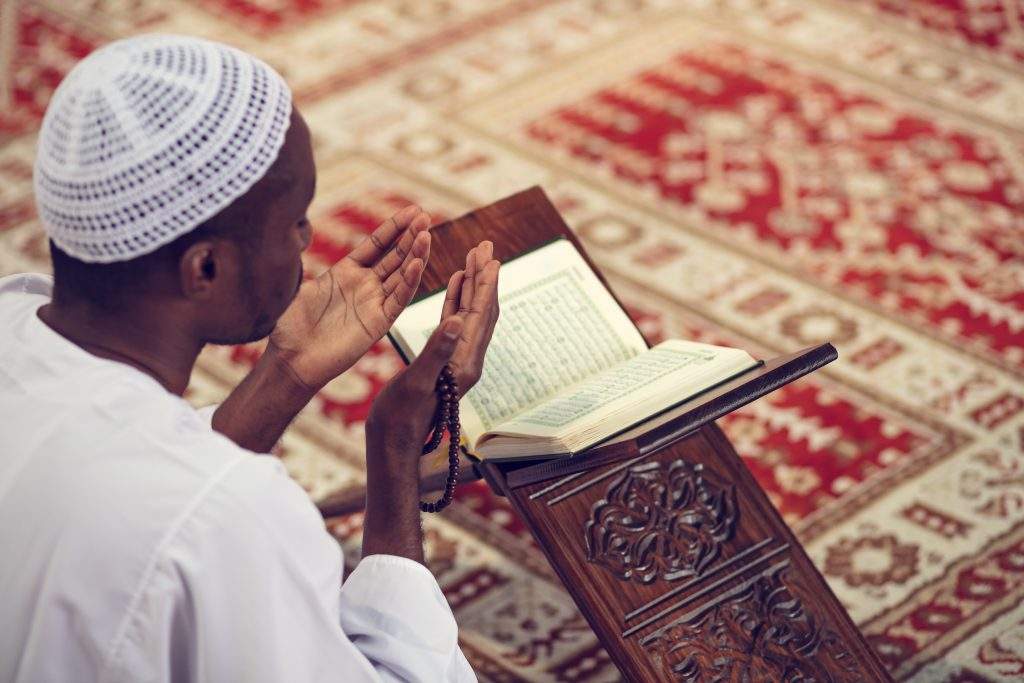
A Muslim reads the Quran during Ramadan
Things Forbidden or Common Daily Mistakes in Ramadan
These actions do not always break the fast, but they reduce its reward and go against the spirit of Ramadan, which is based on self-control and good character.
-
Lying
-
Backbiting and gossip
-
Insulting, arguing, or uncontrolled anger
-
Watching inappropriate or prohibited content
-
Smoking during fasting hours
-
Wasting time in entertainment and neglecting worship
What Invalidates the Fast
These actions directly break the fast and require making up the day (and expiation in some cases).
-
Eating or drinking intentionally
-
Marital relations during the daytime of Ramadan
-
Inducing vomiting intentionally
-
The onset of menstruation or postpartum bleeding
What Is Allowed During Fasting
These actions do not break the fast and are permissible as long as nothing is swallowed intentionally.
-
Brushing the teeth
-
Taking a shower or bathing
-
Using perfume or pleasant scents
-
Swallowing natural saliva
-
Receiving non-nutritional medical injections
Deliberately Breaking the Fast Without a Valid Excuse
One of the gravest violations in Ramadan is intentionally breaking the fast during the day without a legitimate excuse.
This act is considered a major sin because it violates the sanctity of an obligatory act of worship.
Anyone who deliberately breaks the fast must:
-
Repent sincerely and seek forgiveness
-
Refrain from eating and drinking for the rest of the day out of respect for Ramadan
-
Make up the missed day after Ramadan
If the fast was broken through marital relations, the violation is more serious. In this case.
the person must perform an expiation in addition to making up the day, which includes fasting two consecutive months or feeding sixty needy people if unable to fast.
This is among the most serious examples of haram acts in Ramadan.

Ending an Obligatory Fast Without a Valid Reason
It is forbidden to interrupt any obligatory fast once it has begun. This includes:
-
Making up missed Ramadan days (Qada)
-
Fasting due to a vow (Nadhr)
If a person breaks such a fast without a valid excuse, they commit a sin, and the obligation remains in their record until it is properly fulfilled.
Unlike voluntary fasting, obligatory fasting must be completed once started.
Delaying the Make-Up Fasts Without Excuse
Another important issue related to things forbidden in Ramadan is neglecting to make up missed fasts as required.
If a person misses days due to a temporary excuse such as illness or menstruation, they must make them up before the next Ramadan.
Delaying the make-up without a valid reason until the following Ramadan is considered sinful, and the person must:
-
Make up the missed days
-
Pay a compensatory feeding (Fidya) for each delayed day
Missed fasting is considered a debt owed to God, and it should not be neglected when one has the ability to fulfill it.
Neglecting Obligatory Fasts Despite Being Able
A Muslim who has missed fasting days must fulfill them as long as they are alive and capable.
Ignoring this responsibility without a valid reason falls under forbidden deeds in Ramadan, as it reflects negligence toward a mandatory act of worship.
If a person dies after having the ability to make up missed fasts but failed to do so, compensation must be given from their estate, or a guardian may fast on their behalf.
How to Prepare for Ramadan Spiritually and Practically
Interrupting Obligatory Fasting and Failing to Compensate
It is also prohibited to treat obligatory fasting lightly by breaking it and then delaying or ignoring the required compensation.
Once an obligatory fast becomes due, it remains binding until completed. Carelessness in this matter is considered sinful and contradicts the spirit of responsibility that Ramadan teaches.
Voluntary Fasting Without Respecting Mandatory Rights
Islam emphasizes balance between acts of worship and the rights of others. A woman is not permitted to observe voluntary fasting while her husband is present without his permission, as this may interfere with his rights.
Similarly, if the time available for making up Ramadan fasts is still wide, she should seek her husband’s permission before performing make-up fasting.
However, if the time becomes limited and only enough days remain to fulfill the obligation, she must fast without needing permission, because fulfilling obligatory worship takes priority.
This highlights that what is haram during Ramadan includes performing voluntary acts in ways that neglect obligatory rights.
Misusing Fidya or Expiation
Fidya and expiation must be given to eligible poor and needy individuals. It is not permissible to give these compensations to those whose financial support is already the responsibility of the person, such as:
-
Parents
-
Children
-
Spouse
If given to such dependents, the obligation is not fulfilled and must be paid again properly.
Additionally, the required amount for one day’s feeding should not be divided between two people, as it would not constitute a complete meal for either.

Failing to Respect the Sanctity of the Day
If someone invalidates their fast intentionally, they are still required to abstain from eating and drinking for the remainder of the day out of respect for Ramadan.
Continuing to eat openly after breaking the fast deliberately reflects disregard for the sacredness of the month and is considered sinful behavior.
Respecting the sanctity of time is an essential aspect of avoiding sins during Ramadan.
Prioritizing Voluntary Acts Over Obligations
Among the common mistakes is focusing on voluntary fasting, such as the six days of Shawwal, while obligatory make-up days remain pending without excuse.
Obligatory acts must always take priority over voluntary ones.
If the missed fasts were due to a valid excuse, the person has flexibility. However, if they were missed without excuse, they should begin making them up immediately before engaging in voluntary fasting.
Conclusion
Understanding what is haram during Ramadan goes beyond knowing what breaks the fast. The sanctity of the month requires fulfilling obligations, avoiding negligence, respecting the rights of others.
and treating acts of worship with seriousness and commitment. Deliberately breaking the fast, delaying make-up days without excuse, interrupting obligatory fasting.
misusing compensation, and neglecting responsibilities are all among the major violations that Muslims should avoid.
By staying mindful of these rulings and avoiding the things forbidden in Ramadan, believers can protect their worship.
minimize sins during Ramadan, and make the most of this blessed opportunity for spiritual renewal and closeness to God.